


 Child Safety & CSAM Prevention Policy
The Future of Translation: Key Trends in the TMS Market
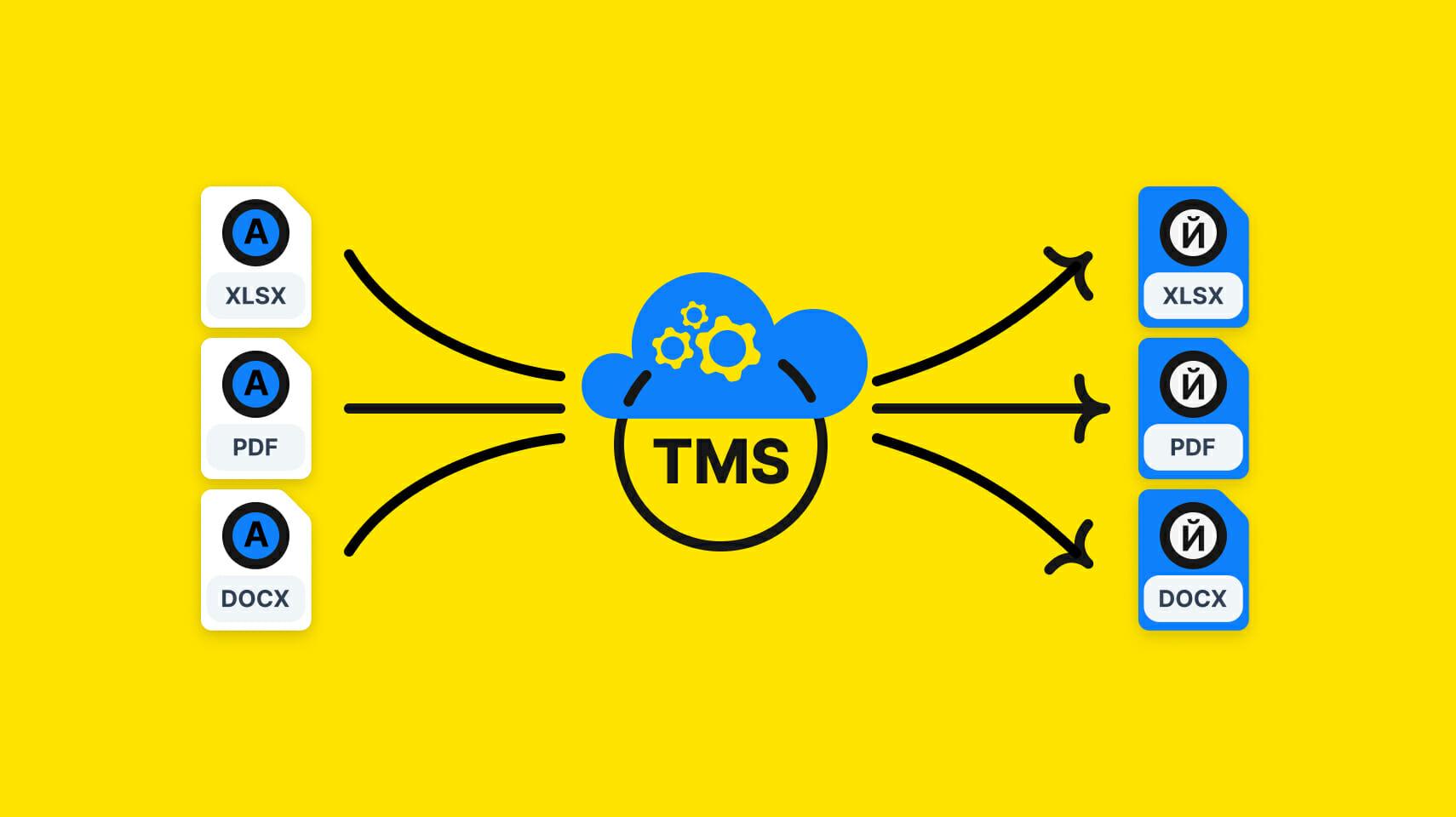
The evolution of any workflow automation market is defined by a set of powerful trends that aim to increase efficiency, improve quality, and integrate more intelligent capabilities. The world of translation and localization is no exception, with several pivotal Translation Management Systems Market Trends currently shaping its future. These key developments are a primary reason the market is set for such explosive growth, with forecasts indicating it will reach a valuation of over USD 600 billion by 2035, supported by a powerful 14.53% annual growth rate. These trends point towards a future where the localization process is more automated, more continuous, and more deeply powered by artificial intelligence than ever before.
One of the most significant and transformative trends is the deep integration of Neural Machine Translation (NMT) into the core workflow. The quality of machine translation has improved so dramatically that it is now a central part of the professional translation process. The trend is moving away from a "human vs. machine" mindset and towards a "human-in-the-loop" collaborative model. The standard workflow now often involves pre-translating content with an NMT engine, and then having a human linguist perform "post-editing" to correct any errors and improve the style. This NMT-first approach can dramatically reduce costs and turnaround times, making it possible to translate vast volumes of content that would have been economically unfeasible to translate with human effort alone.
Another powerful trend is the move towards "continuous localization." The old model of waiting until a product was finished and then sending a large batch of files for translation is obsolete in an age of agile development. The trend now is to integrate the TMS directly into the content creation and software development lifecycle. Using connectors and APIs, the TMS can automatically detect when new content is created in a Content Management System (CMS) or when new lines of text are added to a code repository like GitHub. It can then automatically pull that new content, send it for translation, and push the completed translations back to the source system, often without any manual intervention from a project manager.
A third key trend is the growing role of AI beyond just machine translation. AI is being used throughout the TMS workflow to make the entire process smarter. This includes using AI to automatically route a project to the best-available translator based on their subject matter expertise and past performance. It includes using AI to provide real-time quality assurance checks, flagging potential errors or inconsistencies as a translator works. And it includes using AI to provide more intelligent "fuzzy matching" from the translation memory, which can adapt previously translated sentences to fit a new context. This infusion of AI into every step of the process is making localization faster, cheaper, and of higher quality.
Explore Our Latest Trending Reports:
Categorieën
Read More
Market Overview The hydrocolloids market size was valued at USD 11.65 billion in 2024. It is expected to reach from USD 12.37 billion by 2025 toUSD 19.98 billion by 2033, growing at a CAGR of 6.18% during the forecast period (2025–2033). The global Hydrocolloids market is witnessing swift transformation driven by new consumer behaviors, increased funding, and...

Market Overview The global embedded die packaging market size was valued at USD 113.82 million in 2024 and is projected to reach from USD 139.31 million in 2025 to USD 701.84 million by 2033, growing at a CAGR of 22.40% during the forecast period (2025-2033). The global Embedded Die Packaging market is witnessing swift transformation driven by new...
Cowboys track record Klayton Adams contemporary offensive coordinator Todd Archer, ESPNDallas retains filling out their refreshing training staff Brian Schottenheimer will contact performs within just his 1st 12 months as the Dallas Cowboys ' practice, he is made up of employed his offensive coordinator inside of prior Arizona Cardinals offensive line prepare Klayton , 41, put in the over and...
As Per Market Research Future, the Stainless Steel Welded Pipe Market Growth is driven by the increasing need for durable and corrosion-resistant piping solutions in response to rising industrial activities and infrastructure development. The growth of this market is supported by several factors, including advancements in welding technology, the rising demand for stainless steel in various...
Market Overview The global surgical tourniquets market size was valued at USD 511.20 million in 2024 and is projected to grow from USD 548.31 million in 2025 to USD 960.58 million by 2033, growing at a CAGR of 7.26% during the forecast period (2025–2033). The growth of the market is attributed to the increasing incidence of traumatic injuries...