


• Salary vs. Satisfaction: Which One Truly Keeps You?


    Let’s be honest—if your job pays well but makes you miserable, would you stay? On the flip side, if you love your job but the pay is poor, how long would you last?


    Employers, do you believe money alone retains top talent?

    Employees, what truly keeps you—the paycheck or the passion?


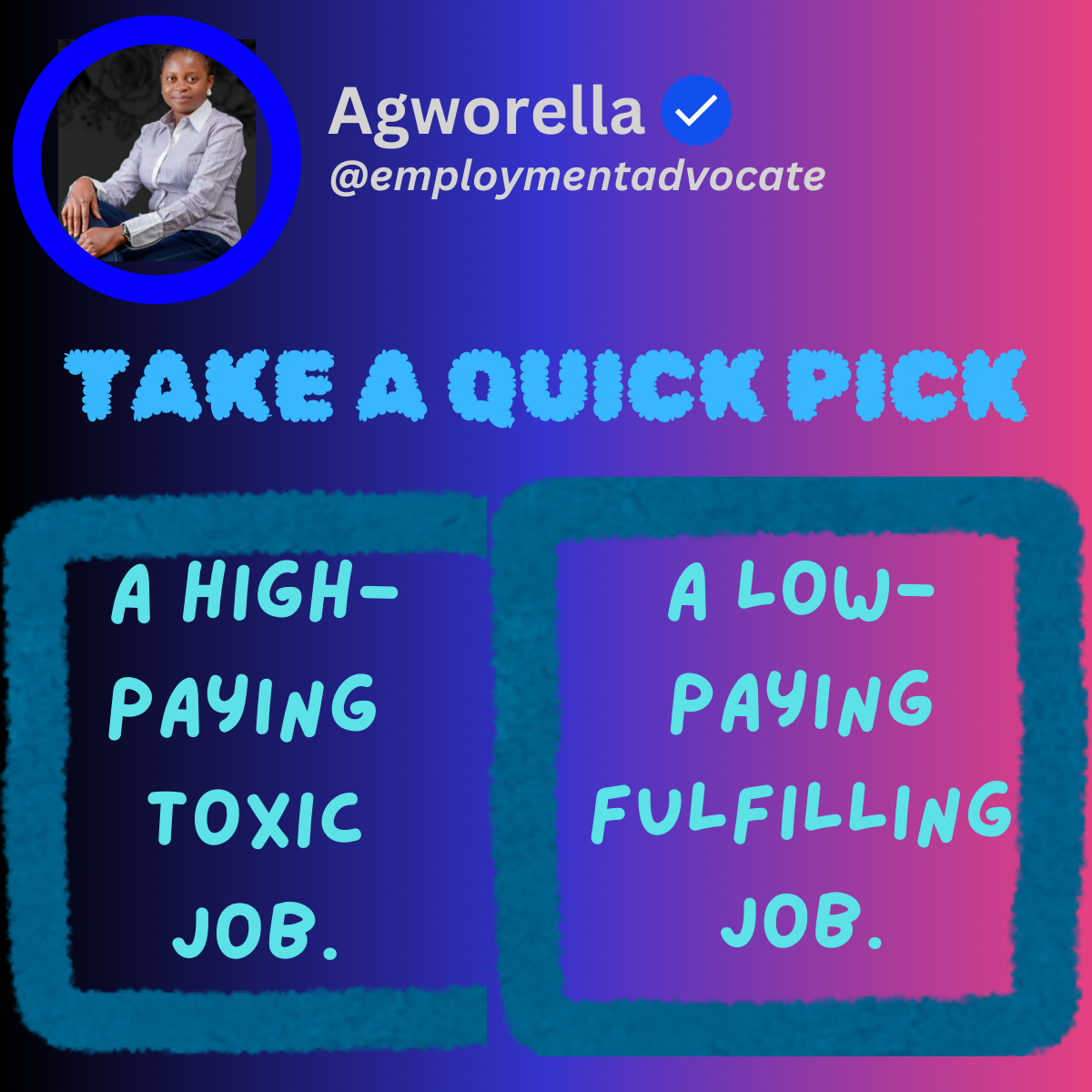
    Today's Discussion: If you had to choose between a high-paying toxic job and a low-paying fulfilling job, which one would you pick and why? Let’s debate!


    #SalaryVsSatisfaction #WorkplaceHappiness #EmployeeRetention #LeadershipMatters #WorkplaceWellbeing #MoneyOrMeaning #CareerDecisions #WorkplaceBalance #agworellaspeaks #thebeeprojectmanager


    Drop your thoughts!
    Salary vs. Satisfaction: Which One Truly Keeps You? Let’s be honest—if your job pays well but makes you miserable, would you stay? On the flip side, if you love your job but the pay is poor, how long would you last? Employers, do you believe money alone retains top talent? Employees, what truly keeps you—the paycheck or the passion? 💡 Today's Discussion: If you had to choose between a high-paying toxic job and a low-paying fulfilling job, which one would you pick and why? Let’s debate! 👇 #SalaryVsSatisfaction #WorkplaceHappiness #EmployeeRetention #LeadershipMatters #WorkplaceWellbeing #MoneyOrMeaning #CareerDecisions #WorkplaceBalance #agworellaspeaks #thebeeprojectmanager Drop your thoughts! 🔥👇
    #Love
    2
    · 11 التعليقات ·0 المشاركات ·947 مشاهدة ·0 معاينة
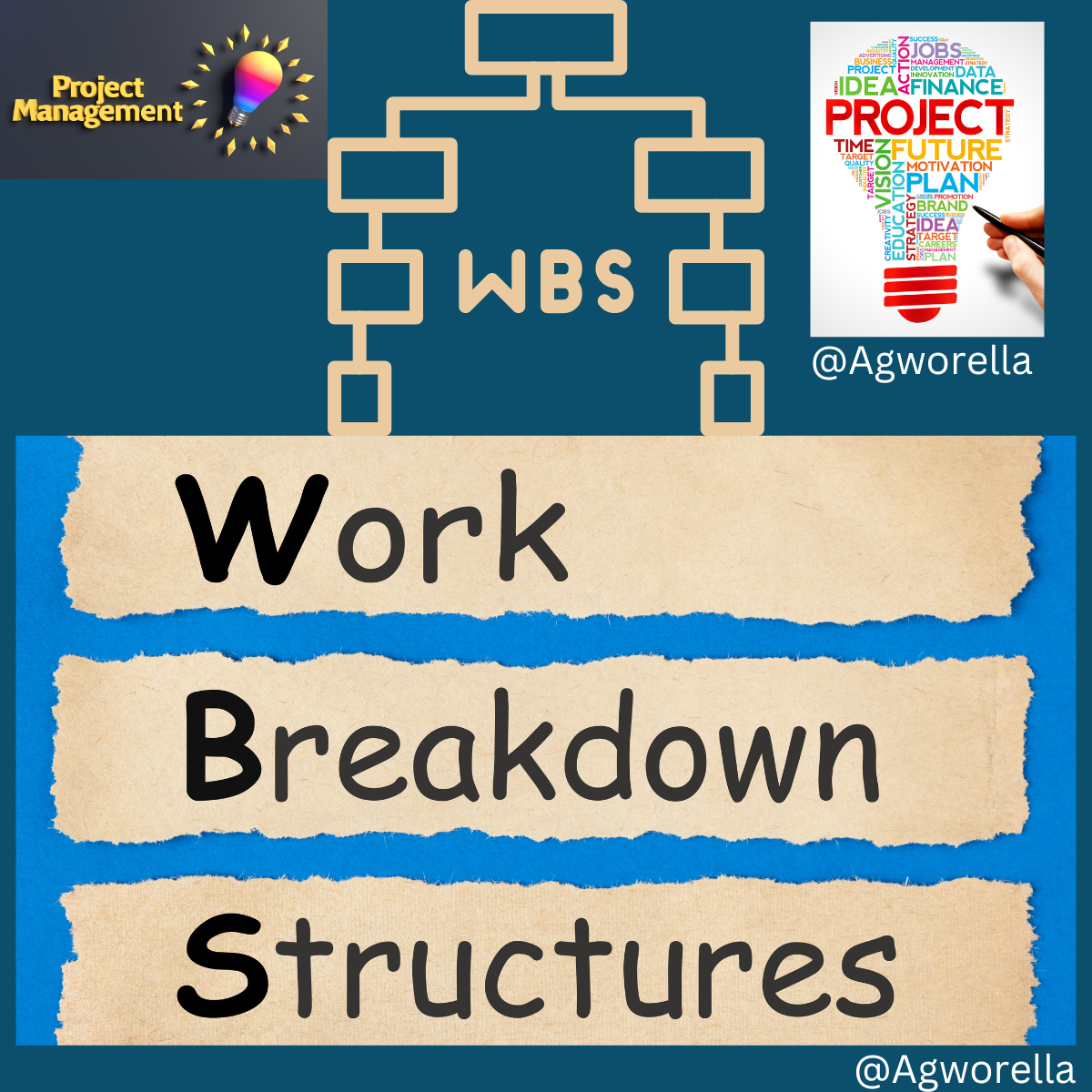
  • Understanding the Work Breakdown Structure (WBS) in Project Management!

    Today, let's touchlight one of the cornerstone documents in project management—the Work Breakdown Structure (WBS).

    A WBS is essentially a detailed blueprint, breaking down all the work needed to achieve the project deliverables into manageable sections.
    Here's what a typical WBS should consist:

    1. Initiation Phase: This phase includes:
    - Evaluation: Assessing project feasibility and requirements.
    - Charter: Formalizing the project's purpose and objectives.

    2. Planning Phase: Key components are:
    - Scope Statement: Defining the project scope and boundaries.
    - Project Team: Assembling the team to execute the project.
    - Plan Schedule: Outlining the timeline and key milestones.
    - Budget: Estimating costs and securing funding.

    3. Execution Phase: Where the action happens, including:
    - Lay Foundation: Preparing the base for the project.
    - Excavate and Pour Concrete: Core construction activities.
    - Interior Work: Encompassing, Electrical and Plumbing tasks.
    - Exterior Work: Final touches to complete the project.

    4. Control Phase: Ensuring the project stays on track by managing:
    - Resource Management: Allocating and utilizing resources efficiently.
    - Cost Management: Keeping the project within budget.
    - Risk Management: Identifying and mitigating potential risks.

    5. Closeout Phase: Wrapping up the project with:
    - Audit: Reviewing and assessing the project outcomes.
    - Site Cleanup: Ensuring the project site is left in good condition.
    - Document Handover: Transferring all essential documents to stakeholders.

    A WBS not only helps in organizing the project tasks but also ensures every detail is accounted for, leading to a successful project delivery.

    How do you utilize WBS in your projects? Share your thoughts and experiences in the comments!

    #ProjectManagement #WBS #WorkBreakdownStructure #PMI #ProjectPlanning #Execution #Control #ProjectCloseout #thebeeprojectmanager #agworellaspeaks

    Understanding the Work Breakdown Structure (WBS) in Project Management! Today, let's touchlight one of the cornerstone documents in project management—the Work Breakdown Structure (WBS). A WBS is essentially a detailed blueprint, breaking down all the work needed to achieve the project deliverables into manageable sections. Here's what a typical WBS should consist: 1. Initiation Phase: This phase includes: - Evaluation: Assessing project feasibility and requirements. - Charter: Formalizing the project's purpose and objectives. 2. Planning Phase: Key components are: - Scope Statement: Defining the project scope and boundaries. - Project Team: Assembling the team to execute the project. - Plan Schedule: Outlining the timeline and key milestones. - Budget: Estimating costs and securing funding. 3. Execution Phase: Where the action happens, including: - Lay Foundation: Preparing the base for the project. - Excavate and Pour Concrete: Core construction activities. - Interior Work: Encompassing, Electrical and Plumbing tasks. - Exterior Work: Final touches to complete the project. 4. Control Phase: Ensuring the project stays on track by managing: - Resource Management: Allocating and utilizing resources efficiently. - Cost Management: Keeping the project within budget. - Risk Management: Identifying and mitigating potential risks. 5. Closeout Phase: Wrapping up the project with: - Audit: Reviewing and assessing the project outcomes. - Site Cleanup: Ensuring the project site is left in good condition. - Document Handover: Transferring all essential documents to stakeholders. A WBS not only helps in organizing the project tasks but also ensures every detail is accounted for, leading to a successful project delivery. How do you utilize WBS in your projects? Share your thoughts and experiences in the comments! 👇 #ProjectManagement #WBS #WorkBreakdownStructure #PMI #ProjectPlanning #Execution #Control #ProjectCloseout #thebeeprojectmanager #agworellaspeaks
    #Love
    #Chant
    3
    · 0 التعليقات ·0 المشاركات ·845 مشاهدة ·0 معاينة
ChantUp https://chantup.com