

 Child Safety & CSAM Prevention Policy
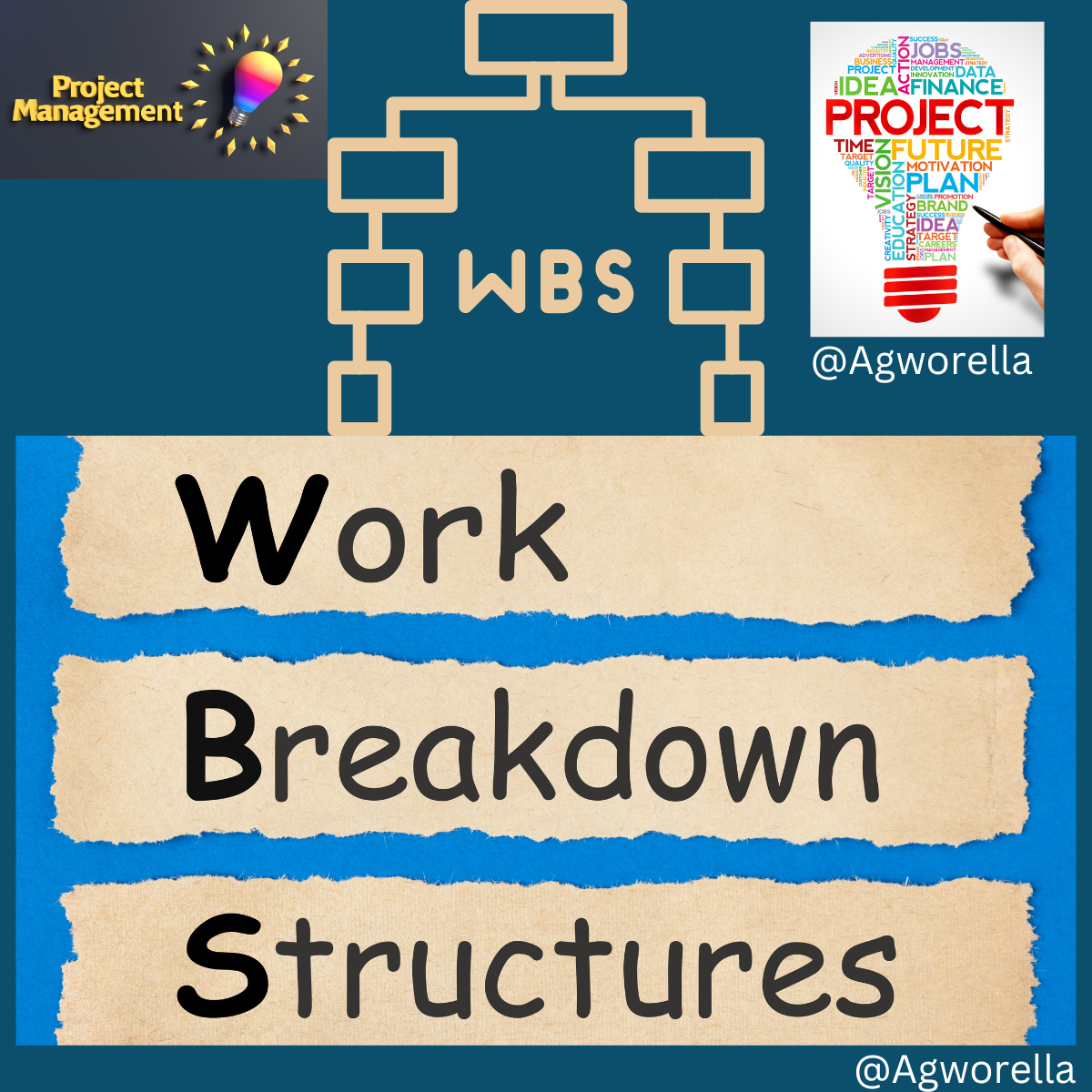
Understanding the Work Breakdown Structure (WBS) in Project Management!
Today, let's touchlight one of the cornerstone documents in project management—the Work Breakdown Structure (WBS).
A WBS is essentially a detailed blueprint, breaking down all the work needed to achieve the project deliverables into manageable sections.
Here's what a typical WBS should consist:
1. Initiation Phase: This phase includes:
- Evaluation: Assessing project feasibility and requirements.
- Charter: Formalizing the project's purpose and objectives.
2. Planning Phase: Key components are:
- Scope Statement: Defining the project scope and boundaries.
- Project Team: Assembling the team to execute the project.
- Plan Schedule: Outlining the timeline and key milestones.
- Budget: Estimating costs and securing funding.
3. Execution Phase: Where the action happens, including:
- Lay Foundation: Preparing the base for the project.
- Excavate and Pour Concrete: Core construction activities.
- Interior Work: Encompassing, Electrical and Plumbing tasks.
- Exterior Work: Final touches to complete the project.
4. Control Phase: Ensuring the project stays on track by managing:
- Resource Management: Allocating and utilizing resources efficiently.
- Cost Management: Keeping the project within budget.
- Risk Management: Identifying and mitigating potential risks.
5. Closeout Phase: Wrapping up the project with:
- Audit: Reviewing and assessing the project outcomes.
- Site Cleanup: Ensuring the project site is left in good condition.
- Document Handover: Transferring all essential documents to stakeholders.
A WBS not only helps in organizing the project tasks but also ensures every detail is accounted for, leading to a successful project delivery.
How do you utilize WBS in your projects? Share your thoughts and experiences in the comments!
#ProjectManagement #WBS #WorkBreakdownStructure #PMI #ProjectPlanning #Execution #Control #ProjectCloseout #thebeeprojectmanager #agworellaspeaks
Today, let's touchlight one of the cornerstone documents in project management—the Work Breakdown Structure (WBS).
A WBS is essentially a detailed blueprint, breaking down all the work needed to achieve the project deliverables into manageable sections.
Here's what a typical WBS should consist:
1. Initiation Phase: This phase includes:
- Evaluation: Assessing project feasibility and requirements.
- Charter: Formalizing the project's purpose and objectives.
2. Planning Phase: Key components are:
- Scope Statement: Defining the project scope and boundaries.
- Project Team: Assembling the team to execute the project.
- Plan Schedule: Outlining the timeline and key milestones.
- Budget: Estimating costs and securing funding.
3. Execution Phase: Where the action happens, including:
- Lay Foundation: Preparing the base for the project.
- Excavate and Pour Concrete: Core construction activities.
- Interior Work: Encompassing, Electrical and Plumbing tasks.
- Exterior Work: Final touches to complete the project.
4. Control Phase: Ensuring the project stays on track by managing:
- Resource Management: Allocating and utilizing resources efficiently.
- Cost Management: Keeping the project within budget.
- Risk Management: Identifying and mitigating potential risks.
5. Closeout Phase: Wrapping up the project with:
- Audit: Reviewing and assessing the project outcomes.
- Site Cleanup: Ensuring the project site is left in good condition.
- Document Handover: Transferring all essential documents to stakeholders.
A WBS not only helps in organizing the project tasks but also ensures every detail is accounted for, leading to a successful project delivery.
How do you utilize WBS in your projects? Share your thoughts and experiences in the comments!
#ProjectManagement #WBS #WorkBreakdownStructure #PMI #ProjectPlanning #Execution #Control #ProjectCloseout #thebeeprojectmanager #agworellaspeaks
Understanding the Work Breakdown Structure (WBS) in Project Management!
Today, let's touchlight one of the cornerstone documents in project management—the Work Breakdown Structure (WBS).
A WBS is essentially a detailed blueprint, breaking down all the work needed to achieve the project deliverables into manageable sections.
Here's what a typical WBS should consist:
1. Initiation Phase: This phase includes:
- Evaluation: Assessing project feasibility and requirements.
- Charter: Formalizing the project's purpose and objectives.
2. Planning Phase: Key components are:
- Scope Statement: Defining the project scope and boundaries.
- Project Team: Assembling the team to execute the project.
- Plan Schedule: Outlining the timeline and key milestones.
- Budget: Estimating costs and securing funding.
3. Execution Phase: Where the action happens, including:
- Lay Foundation: Preparing the base for the project.
- Excavate and Pour Concrete: Core construction activities.
- Interior Work: Encompassing, Electrical and Plumbing tasks.
- Exterior Work: Final touches to complete the project.
4. Control Phase: Ensuring the project stays on track by managing:
- Resource Management: Allocating and utilizing resources efficiently.
- Cost Management: Keeping the project within budget.
- Risk Management: Identifying and mitigating potential risks.
5. Closeout Phase: Wrapping up the project with:
- Audit: Reviewing and assessing the project outcomes.
- Site Cleanup: Ensuring the project site is left in good condition.
- Document Handover: Transferring all essential documents to stakeholders.
A WBS not only helps in organizing the project tasks but also ensures every detail is accounted for, leading to a successful project delivery.
How do you utilize WBS in your projects? Share your thoughts and experiences in the comments! 👇
#ProjectManagement #WBS #WorkBreakdownStructure #PMI #ProjectPlanning #Execution #Control #ProjectCloseout #thebeeprojectmanager #agworellaspeaks