• The Project Lifecycle: A Roadmap to Success


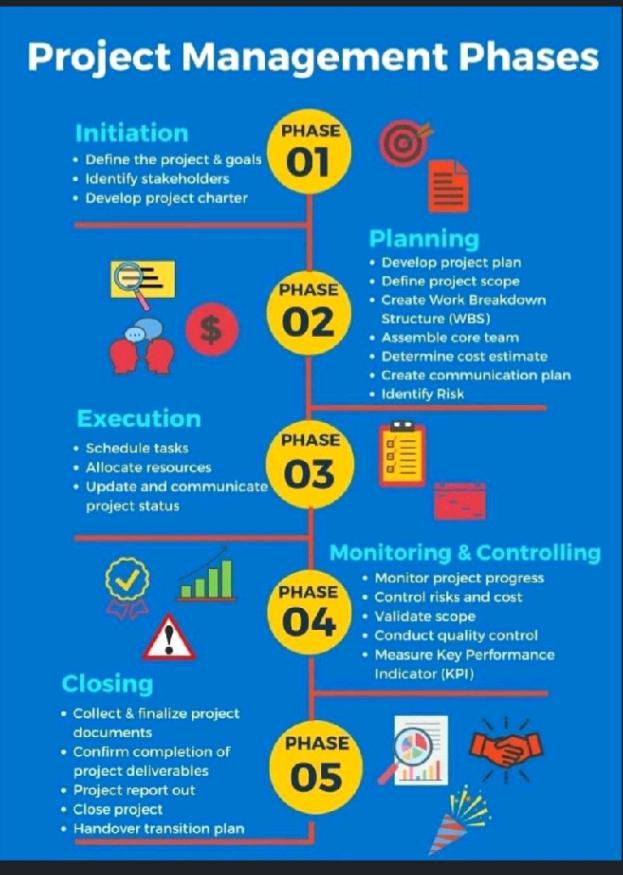
    A well-structured project lifecycle is essential for ensuring successful project outcomes. By following a defined framework, you can effectively plan, execute, and monitor projects, minimizing risks and maximizing efficiency.

    Key Stages of the Project Lifecycle:

    * Initiation: Defining project goals, scope, and deliverables.

    * Planning: Developing a detailed project plan, including timelines, budgets, and resource allocation.

    * Execution: Implementing the project plan and addressing challenges.

    * Monitoring and Control: Tracking progress, identifying risks, and making necessary adjustments.

    * Closing: Completing the project, documenting lessons learned, and obtaining final approval.

    Keep an eye on my post tomorrow as we will be discussing the importance of the project lifecycle.
    I hope to see you there!


    Are you looking for a project manager ? Let's connect!
    #projectmanagement #projectlifecycle #success #efficiency #leadership
    #OpenToWork
    The Project Lifecycle: A Roadmap to Success👇👇👇👇👇👇👇👇👇👇 A well-structured project lifecycle is essential for ensuring successful project outcomes. By following a defined framework, you can effectively plan, execute, and monitor projects, minimizing risks and maximizing efficiency. Key Stages of the Project Lifecycle: * Initiation: Defining project goals, scope, and deliverables. * Planning: Developing a detailed project plan, including timelines, budgets, and resource allocation. * Execution: Implementing the project plan and addressing challenges. * Monitoring and Control: Tracking progress, identifying risks, and making necessary adjustments. * Closing: Completing the project, documenting lessons learned, and obtaining final approval. Keep an eye on my post tomorrow as we will be discussing the importance of the project lifecycle. I hope to see you there! 😊😊😊😊😊😊😊😊😊😊😊😊😊😊 Are you looking for a project manager ? Let's connect! #projectmanagement #projectlifecycle #success #efficiency #leadership #OpenToWork
    #Love
    1
    · 0 Commentarii ·0 Distribuiri ·699 Views ·0 previzualizare
  • Every project have a lifecyle.
    How does Project work from lifecyle?

    Project starts from initiation, planning, execution , performance , monitoring and control, then closure.
    I can assist you in managing, planning and coordinating your project activities from Initiation to closure applying the techniques, tools and methodologies ensuring that the project goal aligns with organisational requirements.

    Kindly, request for my services!

    #projectmanager
    #projectscope
    #budget
    #timeline
    #triplecontraints
    #baseline
    #startups
    #mediumsized
    Every project have a lifecyle. How does Project work from lifecyle? Project starts from initiation, planning, execution , performance , monitoring and control, then closure. I can assist you in managing, planning and coordinating your project activities from Initiation to closure applying the techniques, tools and methodologies ensuring that the project goal aligns with organisational requirements. Kindly, request for my services! #projectmanager #projectscope #budget #timeline #triplecontraints #baseline #startups #mediumsized
    #Chant
    2
    · 0 Commentarii ·0 Distribuiri ·875 Views ·0 previzualizare
  • Project managers focus on the goals of the project. Project success is connected to achieving the project goals within the project timeline. Project managers are goal directed and time sensitive. Project managers apply project management tools and techniques to clearly define the project goals, develop an execution plan to meet those goals, and meet the milestones and end date of the project.
    #projectmagers#Businessanalysist.
    Project managers focus on the goals of the project. Project success is connected to achieving the project goals within the project timeline. Project managers are goal directed and time sensitive. Project managers apply project management tools and techniques to clearly define the project goals, develop an execution plan to meet those goals, and meet the milestones and end date of the project. #projectmagers#Businessanalysist.
    #Chant
    #Love
    6
    · 0 Commentarii ·0 Distribuiri ·662 Views ·0 previzualizare
  • Day 1: PM/BA Training Journey

    Project Management Class 1( summary)

    Topics: 1) The Core Principles of Project Management
    2) The different roles in Project Management.

    Project management revolves around these constraints ( Timeline, Scope &Budget).
    Timeline: Is the duration of the project. The time allocated for the completion of a particular project.

    Scope: Is the area expected to cover for the project

    Budget: Is the managing of the financial aspects of the project.

    Importance of Project Management
    1, plays a crucial role in ensuring the achievement of project goals in an organization.

    2, Optimizing the allocation of resources to maximize efficiency and minimize costs.

    3,Facilitating effective communication and collaboration among stakeholders.

    4, Mitigating risks and addressing challenges proactively to minimize disruption or project failures.

    5, Providing a structured approach to project execution, leading to effective and improved project outcomes and customer satisfaction.

    Key Concepts and Terminologies

    1, Projects: Temporal endeavors undertaken to produce unique results, outcomes, products and services.

    2, Project management: Application of knowledge, skills, tools and techniques to project activities to meet project requirements.

    3, Triple Constraints:(Time, Scope, Cost) Managing these constraints are essential for project to be successful.

    4, Stakeholders: People that are interested in the project success, they contribute in one way or the other to the project and they have impact on the project.

    5,Project Manager: The individual responsible for the project as a whole, (The captain of the project)

    Project Roles

    Leader: The project manager is responsible for planning,execution and delivery of the project.

    Project Team members : People with specific skills, knowledge and expertise that contribute to the project.

    Stakeholders: Are individuals/ groups that are affected by the project or with interest in the outcome of the project eg, Sponsors,clients and end users.

    Two types: (Internal and external stakeholders)
    End user: the people that makes use of the project for their business, work or daily lives.
    Sponsors: They provide the financial resources for the project.

    Professional Career Roles in Project Management

    1,Project Manager:
    Over seeing the entire project lifecycle.

    2, Project Coordinator:
    Assists the project manager.

    3,Project Scheduler/Planner:
    Develops and maintains project schedules, timelines and milestones.

    4,Business Analysts:
    Identify project requirements, gather, analyze data and develop business case and project charter.

    5,Risk Managers:
    They identifies the risks and develops mitigation strategies and risk management plans.

    6,Quality Assurance Managers:
    The standard of the project outputs is accessed by them. They make sure that the project meet the quality, standards or the expectations of the client or company.

    7,Change Management Specialist:
    They facilitate organizational change, initiate change related to project and implementation by accessing the impacts of the change and also addressing resistance to change.

    8,Project Management Office(PMO) Manager:
    They oversee all the projects going on in an organization (They monitor what is going on within various projects, just like police of project management).

    In Conclusion: Project Management is the discipline that drives success in an organization across all industries.


    @followers
    @everyone
    Day 1: PM/BA Training Journey Project Management Class 1( summary) Topics: 1) The Core Principles of Project Management 2) The different roles in Project Management. Project management revolves around these constraints ( Timeline, Scope &Budget). Timeline: Is the duration of the project. The time allocated for the completion of a particular project. Scope: Is the area expected to cover for the project Budget: Is the managing of the financial aspects of the project. Importance of Project Management 1, plays a crucial role in ensuring the achievement of project goals in an organization. 2, Optimizing the allocation of resources to maximize efficiency and minimize costs. 3,Facilitating effective communication and collaboration among stakeholders. 4, Mitigating risks and addressing challenges proactively to minimize disruption or project failures. 5, Providing a structured approach to project execution, leading to effective and improved project outcomes and customer satisfaction. Key Concepts and Terminologies 1, Projects: Temporal endeavors undertaken to produce unique results, outcomes, products and services. 2, Project management: Application of knowledge, skills, tools and techniques to project activities to meet project requirements. 3, Triple Constraints:(Time, Scope, Cost) Managing these constraints are essential for project to be successful. 4, Stakeholders: People that are interested in the project success, they contribute in one way or the other to the project and they have impact on the project. 5,Project Manager: The individual responsible for the project as a whole, (The captain of the project) Project Roles Leader: The project manager is responsible for planning,execution and delivery of the project. Project Team members : People with specific skills, knowledge and expertise that contribute to the project. Stakeholders: Are individuals/ groups that are affected by the project or with interest in the outcome of the project eg, Sponsors,clients and end users. Two types: (Internal and external stakeholders) End user: the people that makes use of the project for their business, work or daily lives. Sponsors: They provide the financial resources for the project. Professional Career Roles in Project Management 1,Project Manager: Over seeing the entire project lifecycle. 2, Project Coordinator: Assists the project manager. 3,Project Scheduler/Planner: Develops and maintains project schedules, timelines and milestones. 4,Business Analysts: Identify project requirements, gather, analyze data and develop business case and project charter. 5,Risk Managers: They identifies the risks and develops mitigation strategies and risk management plans. 6,Quality Assurance Managers: The standard of the project outputs is accessed by them. They make sure that the project meet the quality, standards or the expectations of the client or company. 7,Change Management Specialist: They facilitate organizational change, initiate change related to project and implementation by accessing the impacts of the change and also addressing resistance to change. 8,Project Management Office(PMO) Manager: They oversee all the projects going on in an organization (They monitor what is going on within various projects, just like police of project management). In Conclusion: Project Management is the discipline that drives success in an organization across all industries. 👍🤝🖐️🙌 @followers @everyone

    #Love
    #Chant
    10
    · 1 Commentarii ·0 Distribuiri ·600 Views ·0 previzualizare
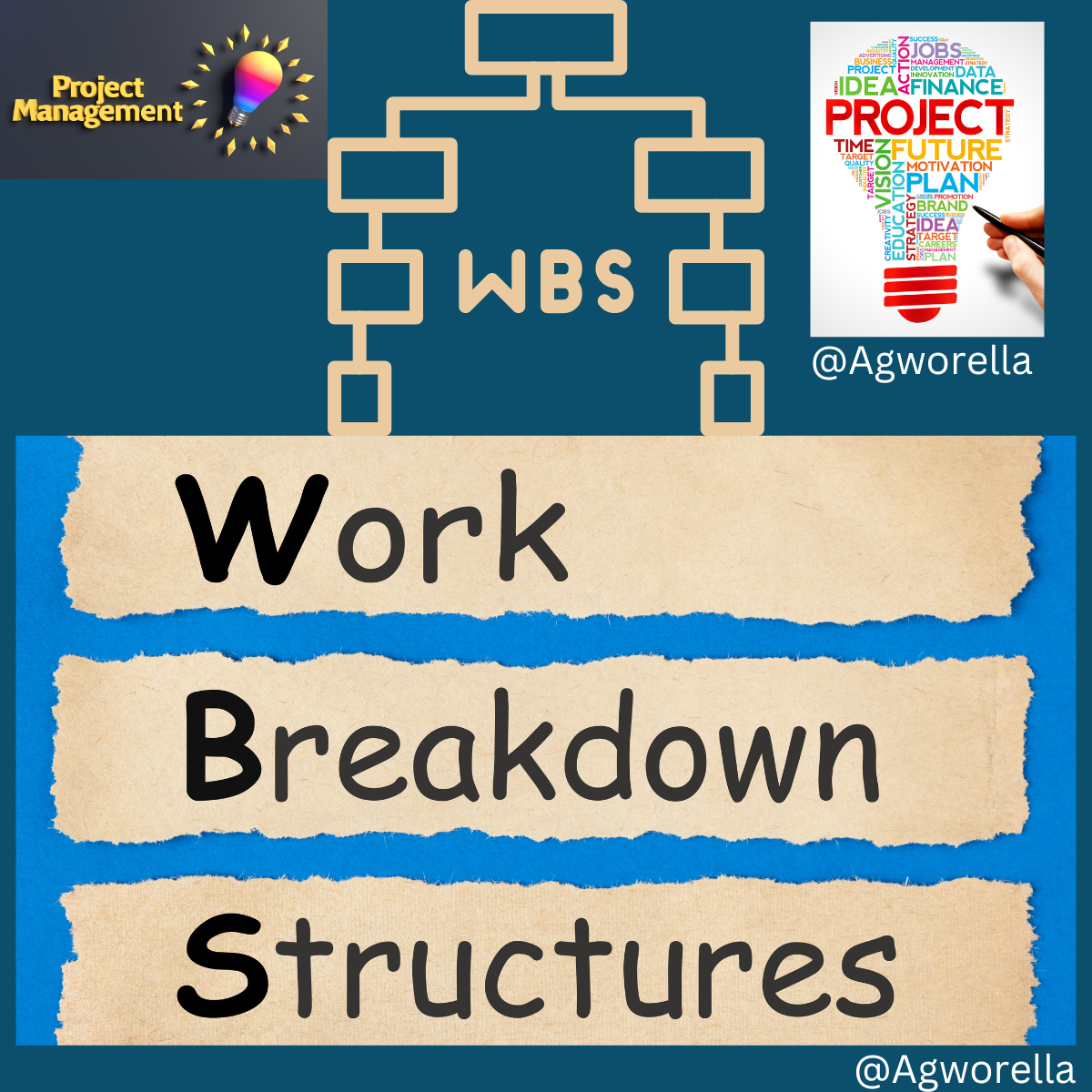
  • Understanding the Work Breakdown Structure (WBS) in Project Management!

    Today, let's touchlight one of the cornerstone documents in project management—the Work Breakdown Structure (WBS).

    A WBS is essentially a detailed blueprint, breaking down all the work needed to achieve the project deliverables into manageable sections.
    Here's what a typical WBS should consist:

    1. Initiation Phase: This phase includes:
    - Evaluation: Assessing project feasibility and requirements.
    - Charter: Formalizing the project's purpose and objectives.

    2. Planning Phase: Key components are:
    - Scope Statement: Defining the project scope and boundaries.
    - Project Team: Assembling the team to execute the project.
    - Plan Schedule: Outlining the timeline and key milestones.
    - Budget: Estimating costs and securing funding.

    3. Execution Phase: Where the action happens, including:
    - Lay Foundation: Preparing the base for the project.
    - Excavate and Pour Concrete: Core construction activities.
    - Interior Work: Encompassing, Electrical and Plumbing tasks.
    - Exterior Work: Final touches to complete the project.

    4. Control Phase: Ensuring the project stays on track by managing:
    - Resource Management: Allocating and utilizing resources efficiently.
    - Cost Management: Keeping the project within budget.
    - Risk Management: Identifying and mitigating potential risks.

    5. Closeout Phase: Wrapping up the project with:
    - Audit: Reviewing and assessing the project outcomes.
    - Site Cleanup: Ensuring the project site is left in good condition.
    - Document Handover: Transferring all essential documents to stakeholders.

    A WBS not only helps in organizing the project tasks but also ensures every detail is accounted for, leading to a successful project delivery.

    How do you utilize WBS in your projects? Share your thoughts and experiences in the comments!

    #ProjectManagement #WBS #WorkBreakdownStructure #PMI #ProjectPlanning #Execution #Control #ProjectCloseout #thebeeprojectmanager #agworellaspeaks

    Understanding the Work Breakdown Structure (WBS) in Project Management! Today, let's touchlight one of the cornerstone documents in project management—the Work Breakdown Structure (WBS). A WBS is essentially a detailed blueprint, breaking down all the work needed to achieve the project deliverables into manageable sections. Here's what a typical WBS should consist: 1. Initiation Phase: This phase includes: - Evaluation: Assessing project feasibility and requirements. - Charter: Formalizing the project's purpose and objectives. 2. Planning Phase: Key components are: - Scope Statement: Defining the project scope and boundaries. - Project Team: Assembling the team to execute the project. - Plan Schedule: Outlining the timeline and key milestones. - Budget: Estimating costs and securing funding. 3. Execution Phase: Where the action happens, including: - Lay Foundation: Preparing the base for the project. - Excavate and Pour Concrete: Core construction activities. - Interior Work: Encompassing, Electrical and Plumbing tasks. - Exterior Work: Final touches to complete the project. 4. Control Phase: Ensuring the project stays on track by managing: - Resource Management: Allocating and utilizing resources efficiently. - Cost Management: Keeping the project within budget. - Risk Management: Identifying and mitigating potential risks. 5. Closeout Phase: Wrapping up the project with: - Audit: Reviewing and assessing the project outcomes. - Site Cleanup: Ensuring the project site is left in good condition. - Document Handover: Transferring all essential documents to stakeholders. A WBS not only helps in organizing the project tasks but also ensures every detail is accounted for, leading to a successful project delivery. How do you utilize WBS in your projects? Share your thoughts and experiences in the comments! 👇 #ProjectManagement #WBS #WorkBreakdownStructure #PMI #ProjectPlanning #Execution #Control #ProjectCloseout #thebeeprojectmanager #agworellaspeaks
    #Love
    #Chant
    3
    · 0 Commentarii ·0 Distribuiri ·845 Views ·0 previzualizare
ChantUp https://chantup.com