• Networking Tips

    Be Genuine: Build real connections.
    Listen: Show interest in others.
    Help: Offer assistance.
    Follow Up: Stay in touch.
    Be Prepared: Know your goals.

    #Networking #ProjectManagement #Leadership #Business #CareerGrowth #ProfessionalDevelopment #PMI #Agile #Scrum #ProjectManager
    Networking Tips👌 Be Genuine: Build real connections. Listen: Show interest in others. Help: Offer assistance. Follow Up: Stay in touch. Be Prepared: Know your goals. #Networking #ProjectManagement #Leadership #Business #CareerGrowth #ProfessionalDevelopment #PMI #Agile #Scrum #ProjectManager
    #Love
    2
    · 0 Comments ·0 Shares ·1K Views ·0 Reviews
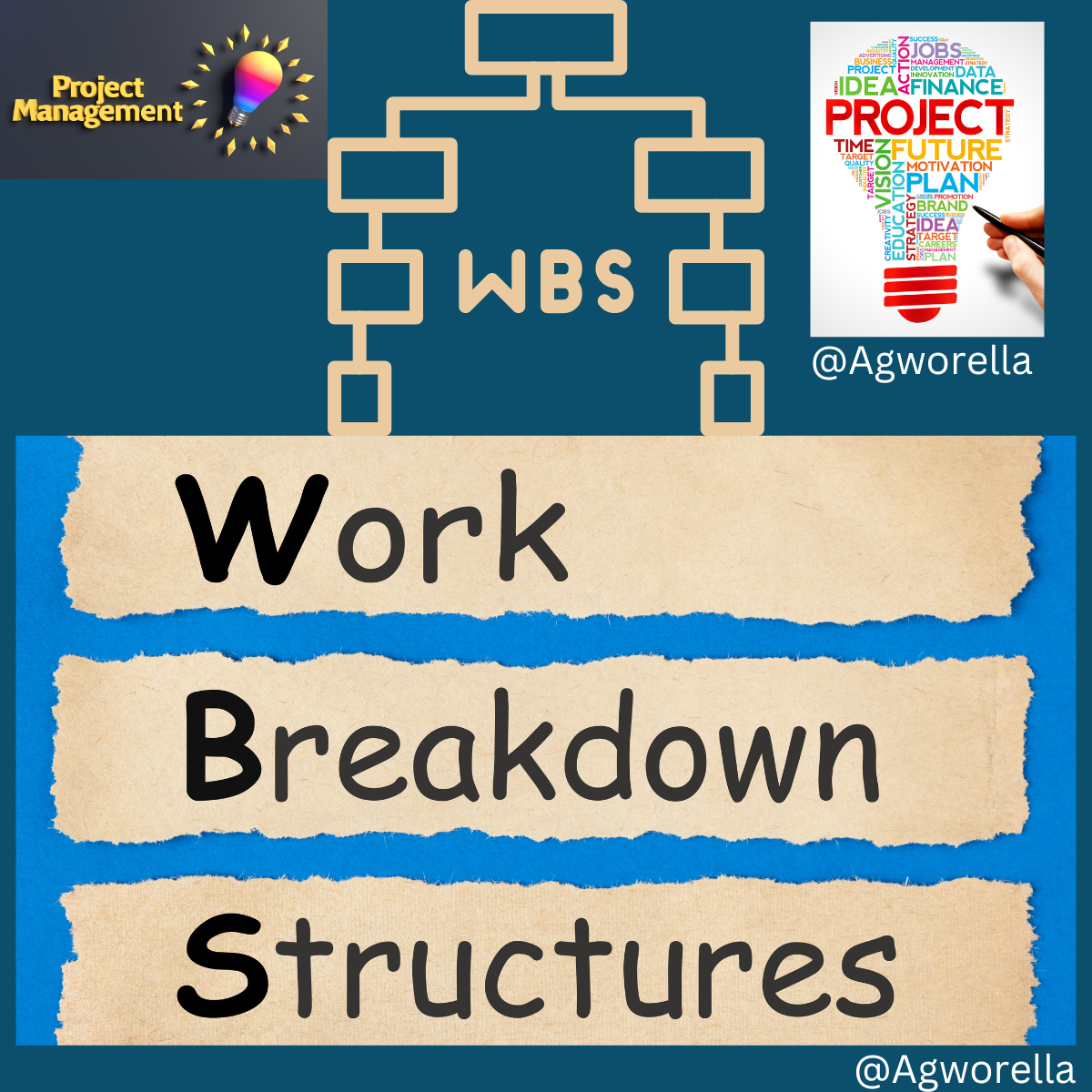
  • Understanding the Work Breakdown Structure (WBS) in Project Management!

    Today, let's touchlight one of the cornerstone documents in project management—the Work Breakdown Structure (WBS).

    A WBS is essentially a detailed blueprint, breaking down all the work needed to achieve the project deliverables into manageable sections.
    Here's what a typical WBS should consist:

    1. Initiation Phase: This phase includes:
    - Evaluation: Assessing project feasibility and requirements.
    - Charter: Formalizing the project's purpose and objectives.

    2. Planning Phase: Key components are:
    - Scope Statement: Defining the project scope and boundaries.
    - Project Team: Assembling the team to execute the project.
    - Plan Schedule: Outlining the timeline and key milestones.
    - Budget: Estimating costs and securing funding.

    3. Execution Phase: Where the action happens, including:
    - Lay Foundation: Preparing the base for the project.
    - Excavate and Pour Concrete: Core construction activities.
    - Interior Work: Encompassing, Electrical and Plumbing tasks.
    - Exterior Work: Final touches to complete the project.

    4. Control Phase: Ensuring the project stays on track by managing:
    - Resource Management: Allocating and utilizing resources efficiently.
    - Cost Management: Keeping the project within budget.
    - Risk Management: Identifying and mitigating potential risks.

    5. Closeout Phase: Wrapping up the project with:
    - Audit: Reviewing and assessing the project outcomes.
    - Site Cleanup: Ensuring the project site is left in good condition.
    - Document Handover: Transferring all essential documents to stakeholders.

    A WBS not only helps in organizing the project tasks but also ensures every detail is accounted for, leading to a successful project delivery.

    How do you utilize WBS in your projects? Share your thoughts and experiences in the comments!

    #ProjectManagement #WBS #WorkBreakdownStructure #PMI #ProjectPlanning #Execution #Control #ProjectCloseout #thebeeprojectmanager #agworellaspeaks


    Understanding the Work Breakdown Structure (WBS) in Project Management! Today, let's touchlight one of the cornerstone documents in project management—the Work Breakdown Structure (WBS). A WBS is essentially a detailed blueprint, breaking down all the work needed to achieve the project deliverables into manageable sections. Here's what a typical WBS should consist: 1. Initiation Phase: This phase includes: - Evaluation: Assessing project feasibility and requirements. - Charter: Formalizing the project's purpose and objectives. 2. Planning Phase: Key components are: - Scope Statement: Defining the project scope and boundaries. - Project Team: Assembling the team to execute the project. - Plan Schedule: Outlining the timeline and key milestones. - Budget: Estimating costs and securing funding. 3. Execution Phase: Where the action happens, including: - Lay Foundation: Preparing the base for the project. - Excavate and Pour Concrete: Core construction activities. - Interior Work: Encompassing, Electrical and Plumbing tasks. - Exterior Work: Final touches to complete the project. 4. Control Phase: Ensuring the project stays on track by managing: - Resource Management: Allocating and utilizing resources efficiently. - Cost Management: Keeping the project within budget. - Risk Management: Identifying and mitigating potential risks. 5. Closeout Phase: Wrapping up the project with: - Audit: Reviewing and assessing the project outcomes. - Site Cleanup: Ensuring the project site is left in good condition. - Document Handover: Transferring all essential documents to stakeholders. A WBS not only helps in organizing the project tasks but also ensures every detail is accounted for, leading to a successful project delivery. How do you utilize WBS in your projects? Share your thoughts and experiences in the comments! 👇 #ProjectManagement #WBS #WorkBreakdownStructure #PMI #ProjectPlanning #Execution #Control #ProjectCloseout #thebeeprojectmanager #agworellaspeaks

    #Love
    #Chant
    3
    · 0 Comments ·0 Shares ·847 Views ·0 Reviews
  • Hello people, how has your week been? Mine has been interesting.

    So today let's look at the core principles of project management.

    The PMI has established 12 guiding principles that are to guiding concepts for every project. These principles provide the framework for project managers to effectively plan, execute and deliver successful projects.


    Chapter 1: Stewardship

    -Responsible and trustworthy conduct in project activities

    -Broad commitment to financial, social, and environmental impacts

    -Holistic view considering integrity, care, trustworthiness, and compliance


    Chapter 2: Team Leadership

    -Collaborative project teams achieve shared objectives efficiently

    -Alignment with organizational cultures and guidelines

    -Promote individual and team learning and development


    Chapter 3: Stakeholder Engagement

    -Proactive engagement to contribute to project success

    -Stakeholders' influence on projects and outcomes 🗝

    -Proactive advancement of value delivery through engagement


    Chapter 4: Value

    -Continual evaluation and adjustment of project alignment

    -Focus on quantitative and qualitative outcomes

    -Support intended benefits for value creation


    Chapter 5: Systems Thinking

    -Recognition and response to dynamic project circumstances

    -Holistic view of project parts and interactions

    -Constant attention to internal and external conditions


    Chapter 6: Leadership

    -Adaptation of leadership behaviors to support individual and team needs

    -Recognition that effective leadership goes beyond authority

    -Demonstration of desired behavior in honesty, integrity, and ethical conduct


    Chapter 7: Tailoring

    -Designing project development approach based on project context and objectives

    -Maximizing value, managing costs, and enhancing speed

    -Continuous process of tailoring throughout the project lifecycle


    Chapter 8: Quality

    -Focus on deliverables meeting project objectives

    -Fulfill stakeholders' needs and acceptance requirements

    -Ensuring appropriate and effective project processes


    Chapter 9: Complexity

    -Continual evaluation and navigation of project complexity

    -Recognition of human behavior, system interactions, uncertainty, and ambiguity

    -Vigilance in identifying and mitigating elements of complexity


    Chapter 10: Risk Management ⚠

    -Continual evaluation of risks (opportunities and threats)

    -Address risks throughout the project

    -Appropriate, cost-effective, and realistic risk responses


    Chapter 11: Adaptability and Resiliency

    -Build adaptability and resiliency into approaches 🏗

    -Ability to respond to changing conditions

    -Absorb impacts and recover quickly from setbacks


    Chapter 12: Change

    -Structured approach to change management for successful transitions

    -Recognition of internal and external sources of change

    -Stakeholder engagement and motivational approaches for change adoption
    Hello people, how has your week been? Mine has been interesting. So today let's look at the core principles of project management. The PMI has established 12 guiding principles that are to guiding concepts for every project. These principles provide the framework for project managers to effectively plan, execute and deliver successful projects. Chapter 1: Stewardship 🌱 -Responsible and trustworthy conduct in project activities ✅ -Broad commitment to financial, social, and environmental impacts 🌍 -Holistic view considering integrity, care, trustworthiness, and compliance 👥 Chapter 2: Team Leadership 👥 -Collaborative project teams achieve shared objectives efficiently 🤝 -Alignment with organizational cultures and guidelines 🌐 -Promote individual and team learning and development 📚 Chapter 3: Stakeholder Engagement 👥🔑 -Proactive engagement to contribute to project success 💪 -Stakeholders' influence on projects and outcomes 🗝 -Proactive advancement of value delivery through engagement 📈 Chapter 4: Value 💎 -Continual evaluation and adjustment of project alignment 🔄 -Focus on quantitative and qualitative outcomes 📊 -Support intended benefits for value creation 💡 Chapter 5: Systems Thinking 🌐 -Recognition and response to dynamic project circumstances 🔄 -Holistic view of project parts and interactions 🧩 -Constant attention to internal and external conditions 🌍 Chapter 6: Leadership 👤 -Adaptation of leadership behaviors to support individual and team needs 🔄 -Recognition that effective leadership goes beyond authority 🌟 -Demonstration of desired behavior in honesty, integrity, and ethical conduct ✨ Chapter 7: Tailoring 🧵 -Designing project development approach based on project context and objectives 📐 -Maximizing value, managing costs, and enhancing speed ⏱️ -Continuous process of tailoring throughout the project lifecycle 🔁 Chapter 8: Quality ✅ -Focus on deliverables meeting project objectives 🎯✅ -Fulfill stakeholders' needs and acceptance requirements 👥 -Ensuring appropriate and effective project processes ✅🔧 Chapter 9: Complexity 🧩 -Continual evaluation and navigation of project complexity 🔄 -Recognition of human behavior, system interactions, uncertainty, and ambiguity 🤔 -Vigilance in identifying and mitigating elements of complexity 🚧 Chapter 10: Risk Management ⚠ -Continual evaluation of risks (opportunities and threats) 📉🚀 -Address risks throughout the project 🎯 -Appropriate, cost-effective, and realistic risk responses 💡💰 Chapter 11: Adaptability and Resiliency 🔄 -Build adaptability and resiliency into approaches 🏗 -Ability to respond to changing conditions 🔄 -Absorb impacts and recover quickly from setbacks 🌱🔁 Chapter 12: Change 🔄 -Structured approach to change management for successful transitions 🔄 -Recognition of internal and external sources of change 🔄🔍 -Stakeholder engagement and motivational approaches for change adoption 🤝
    #Chant
    #Love
    6
    · 0 Comments ·0 Shares ·462 Views ·0 Reviews
ChantUp https://chantup.com